In Every Stone, a Story.

In Every Garden, a Soul.

ISO 9001:2015 Certified

Best Grass for Home Landscaping in Kerala: Natural Grass vs Artificial Grass – Complete Buyer’s Guide

The argument is usually framed too simply: natural grass is “better for nature”, artificial grass is “maintenance-free”, and the homeowner only has to choose which side sounds more convincing. Kerala gardens are not that obedient.

Start with the site. A sunny front lawn in Kollam behaves very differently from a narrow strip between a villa and a compound wall. A roof garden is different again. So is a children’s play area, a shaded courtyard, the grass around stepping stones, or an ornamental patch beside a commercial entrance.

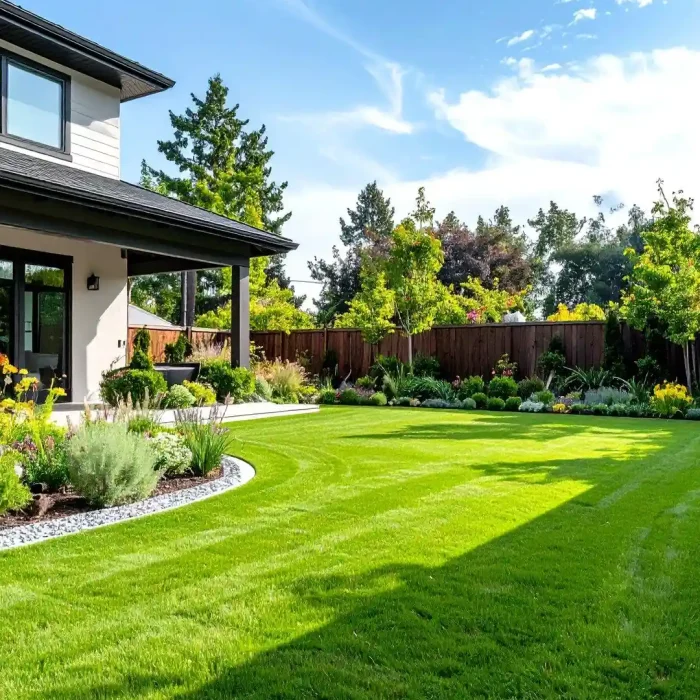
Natural turf remains difficult to beat when the conditions suit it. It feels cooler underfoot, changes naturally with light and weather, and sits comfortably beside planting beds, mature trees and stone. Warm-season turf species are generally the logical group for tropical conditions; Indian turf literature places their strongest growth broadly in warm temperatures rather than the cooler range preferred by temperate lawn grasses.

But a living lawn has terms and conditions.

It needs enough light. It needs a soil profile that drains after heavy rain without drying immediately afterwards. It needs mowing at the right height, not scalping whenever somebody remembers to cut it. Bare patches need repair before weeds take possession. Excessive moisture, poor drainage and shade can increase disease pressure in warm-season turf.

Artificial turf solves a different problem. It gives immediate visual coverage, stays green under repeated use and removes mowing from the maintenance schedule. It works well where the client wants the appearance of lawn but the site is hostile to healthy turf.

“Zero maintenance” is still the wrong phrase.

Leaves have to be removed. Pet areas need cleaning. Dust settles. Weeds can appear around edges or poorly finished joints. Flattened fibres may need brushing. Drainage still has to work.

When a homeowner approaches an Artificial Grass Dealer in Kollam, the useful conversation is not “Which green do you have?” It is “Where is this going, how much sun reaches it, what happens during monsoon rain, who uses the space, and what is below the turf?”

That is where buying becomes landscape planning.

What Are the Most Popular Lawn Grass Varieties for Kerala Homes?

Grass names in the retail market can be confusing because local trade names are not always used consistently. Two lawns sold under a familiar name can differ in texture, density and growth behaviour. Buy from an actual sample, inspect an established lawn if possible, and ask what is really being supplied.

Pearl grass is commonly chosen when a soft, fine lawn effect is wanted. A competent Pearl Grass dealer should ask about sunlight and drainage before discussing square-foot rates. Fine-looking turf can disappoint quickly in a dim, wet corner.

Korean grass is often considered when a compact, manicured appearance matters. A Korean Grass dealer should explain establishment, mowing and shade response rather than selling it merely as a “premium” option.

Mexican grass is another familiar retail name. With a Mexican Grass dealer, confirm exactly which turf is being sold under that label. The name alone does not tell you enough about performance.

Buffalo grass creates even more naming confusion because the term can refer to different grasses in different regions. Kerala Agricultural University’s crop information, for example, lists “buffalo grass” as one of the names used for para grass, a coarse trailing perennial associated with humid and waterlogged conditions. A Buffalo Grass dealer should identify the actual species or cultivar being supplied.

The practical buying rule is less glamorous: inspect leaf width, density, rooting, colour consistency and weed contamination. Reject thin, stressed turf rather than assuming installation will magically improve it.

A reliable Natural Grass dealer should discuss soil preparation too. Laying good turf over construction debris, compacted laterite or a badly levelled base is an expensive way to create a future problem.

The same applies to the phrase Lawn Grass dealer. Supply is only part of the job. The lawn has to meet paving, drains, planting beds and building thresholds without trapping water or looking like a green rug dropped into an unrelated landscape.

Why Are More Homeowners Choosing Artificial Grass for Modern Landscaping?

The strongest case for artificial turf in Kerala is not that it is “better” than a living lawn. It is that modern houses increasingly create spaces where natural lawn struggles.

Setbacks are tighter. Compound walls are taller. Cars occupy more of the frontage. Outdoor areas are broken into narrow passages, paved courts, sit-outs and small visual pockets. Sometimes only a few square metres of green are required, but those few metres are expected to look finished every day.

That is a sensible use of synthetic turf.

A strip beside a walkway with inconsistent light. A balcony. A play corner repeatedly worn bare. A commercial frontage that must remain presentable between maintenance visits. These are practical reasons, not lifestyle slogans.

The material still needs restraint. Very long fibres are not automatically more luxurious. An intensely bright, perfectly uniform green can look less convincing beside natural planting. Dense turf may feel richer in the hand but be unnecessary for a lightly used decorative area.

Ask an Artificial Grass dealer for pile height, density or face-weight information, backing construction, drainage provision, UV-stability information, recommended infill, warranty terms and intended application. Those details are more useful than product names such as “premium”, “European” or “football quality”.

Homeowners comparing a Synthetic Grass dealer, Plastic Grass dealer or Fake Grass dealer are often looking at products that appear nearly identical in photographs. They may not look identical after a year of sun, rain and foot traffic. Fibre recovery, backing quality, seam work and the base underneath eventually show themselves.

Heat deserves a frank discussion. Research on synthetic sports surfaces consistently reports higher surface temperatures than on natural grass in sunny conditions. The exact readings from sports fields should not be transferred directly to every residential product, but the direction of the effect matters. If children will play barefoot on a west-facing lawn in the early afternoon, test the actual surface under comparable sun.

Drainage gets buried under sales language as well. Artificial turf does not make water disappear. Rain must pass through or beneath the system and then have somewhere to go.

A good Artificial Grass Dealer in Kollam will spend as much time looking at the base and drain points as at the turf roll.

How Do You Choose the Right Grass for Your Garden, Villa, or Commercial Property?

I would not choose grass from a catalogue first. I would mark the property into use zones.

Where do people actually walk? Where does rainwater collect? Which side gets fierce afternoon sun? Which section stays shaded behind the house? Are there dogs? Small children? Falling leaves? Is the lawn crossed daily or mainly viewed from indoors?

Those questions eliminate unsuitable options quickly.

For a larger villa garden with good sun, usable soil and an owner who genuinely wants a living landscape, natural grass often makes sense. Not because natural is automatically superior, but because the site can support it and the sensory result is difficult to reproduce.

For a compact urban home where the “lawn” is a two-metre strip between paving and a wall, artificial may be the more rational choice.

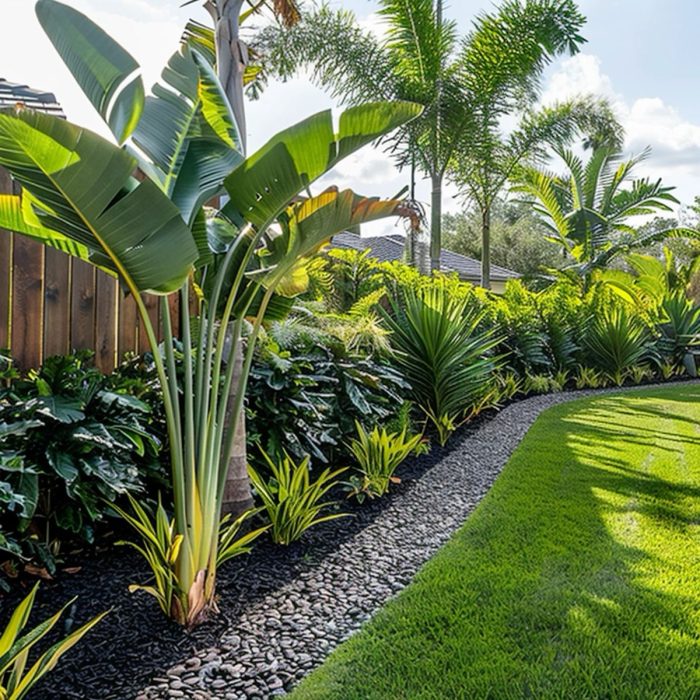
Mixed landscapes are often better than ideological ones. Natural grass in the main open lawn, artificial turf in a difficult side yard, stone at high-traffic transitions, planted beds where grass would never receive enough light.

This is where Garden Design Services in kerala should earn their fee. Levels, water movement, circulation and material junctions need resolving before green material is laid. Memories describes its own scope as including landscaping, gardening, irrigation, hardscaping, walkways and 3D design, with supply and execution positioned as part of the same outdoor project.

That broader thinking matters when grass is combined with Stone Products in Kollam, Kerala. Stepping stones set too low become mud traps in a natural lawn. Stones set too high catch mower edges. Artificial turf cut badly around irregular stone exposes joints and adhesive.

Commercial sites need another calculation: footfall, cleaning frequency, access for maintenance, drainage after storms and the cost of repair. Artificial turf may make sense at a reception frontage and fail at a very hot activity zone. Natural grass may look excellent in a resort garden and become a constant repair job along one narrow pedestrian route.

If you are comparing quotations from an Artificial Lawn dealer, insist that base preparation, edge restraint, seams, wastage, drainage work and installation are described clearly. Otherwise two square-foot prices are not really comparable.

Why Should You Buy Grass from a Professional Dealer and Landscaping Expert?

Grass failure is often blamed on the grass because that is the visible part.

The real failure may be underneath.

I have little patience for the advice to “just add more soil” when a lawn is failing. If the problem is shade, more soil does not create sunlight. If the problem is compaction, a cosmetic top layer does not repair the profile below. If water is being pushed towards the lawn from a paved driveway with no escape route, changing grass species may merely postpone the same failure.

Professional supply is valuable when it comes with diagnosis.

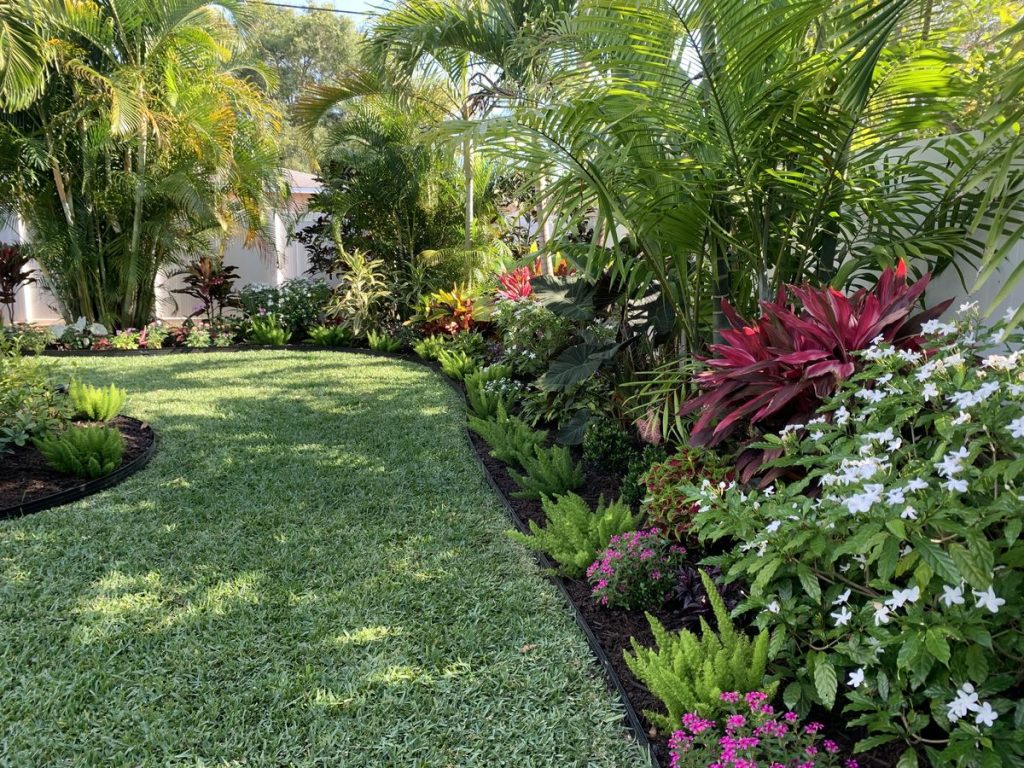
A capable Landscaper in Kollam, Kerala should check levels, soil, drainage, irrigation, shade pattern, edge details and maintenance access. Memories states that it works across garden design through project completion and offers irrigation and maintenance-related services alongside landscaping.

Apply the same scrutiny when selecting an Artificial Grass Dealer in Kollam. Ask to see installed work that is no longer brand new. New artificial turf nearly always photographs well. A project that has been through sun, rain, cleaning and regular use says much more about seam quality and fibre recovery.

Ask who installs it. Ask how edge lifting is prevented. Ask what happens around drains. Ask how seams are positioned relative to the main viewing direction. Ask whether the base detail changes for soil, concrete, terrace slabs and existing paving.

For natural turf, ask how long the grass has been lifted, how it will be transported, how quickly it will be laid and what watering regime is expected after installation. Turf left rolled or stacked in heat is not improving while the rest of the site catches up.

There are failures even with good contractors. Persistent shade can defeat natural lawn. Pets can concentrate wear or odour in artificial turf. Tree roots can disturb prepared surfaces. Exceptional rain can expose weaknesses. Future driveway work can change drainage across the garden.

A professional does not promise that none of these things can happen. A professional makes the risks visible before the purchase.

9552d95cd0331343c7376205fb076e1e
8451bc8f61c7470d675c460fca9d53a4

FAQ

Which type of grass is best for Kerala's tropical climate?

There is no single winner. Warm-season grasses are the sensible starting point for a natural lawn in Kerala, but the right variety depends on sunlight, soil moisture, drainage, desired texture and maintenance. A shaded coastal garden and an open inland lawn should not automatically receive the same grass.

Is artificial grass safe for children and pets?

It can be suitable for family and pet areas when the product is appropriate, drainage is properly designed and cleaning is manageable. I would avoid blanket “100% safe” claims. Ask what the fibres, backing and infill are made from and request relevant test documentation. Heat matters too: synthetic surfaces can become substantially hotter than natural grass in direct sun. Research on recycled tyre crumb used in sports fields should not automatically be applied to every residential turf system because constructions and infills differ.

How long does artificial grass typically last?

Treat lifespan claims as conditional. Good residential turf can remain serviceable for years, but useful life depends on UV exposure, fibre and backing quality, traffic, pets, cleaning, drainage and installation. Read the warranty rather than relying on a headline number. Seam movement or flattening can make turf look tired before the fibres are physically worn out.

Does natural grass require more maintenance than artificial grass?

Usually, yes. Natural grass involves mowing, watering according to weather and soil conditions, nutrition, weed control and occasional repair. Artificial turf removes mowing and routine plant care, not maintenance altogether. It still needs debris removal, cleaning, brushing and attention to joints and drainage.

Do professional grass dealers provide installation services?

Some do; some supply only. Confirm the scope before accepting the quotation. Ideally the site inspection, base or soil preparation, drainage, laying, edging and handover should be clearly assigned. Memories publicly describes its business as covering landscape design, supply, execution and maintenance-related services rather than product retail alone.